With the growing popularity of aromatherapy, essential oils are everywhere — but not all essential oils are created equal.
If you’ve ever wondered why some oils smell weak, synthetic, or irritating, the answer often lies in quality.
This guide will teach you how to choose high-quality essential oils, combining scientific awareness with holistic wisdom, so you can make informed, confident purchasing decisions.
Why Essential Oil Quality Matters
Essential oils are complex mixtures of natural compounds. Their aroma, safety, and overall experience depend heavily on:
- Plant species
- Growing conditions
- Harvest timing
- Extraction methods
- Storage and handling
Low-quality oils may be diluted, contaminated, or synthetically altered — which can affect both safety and effectiveness.
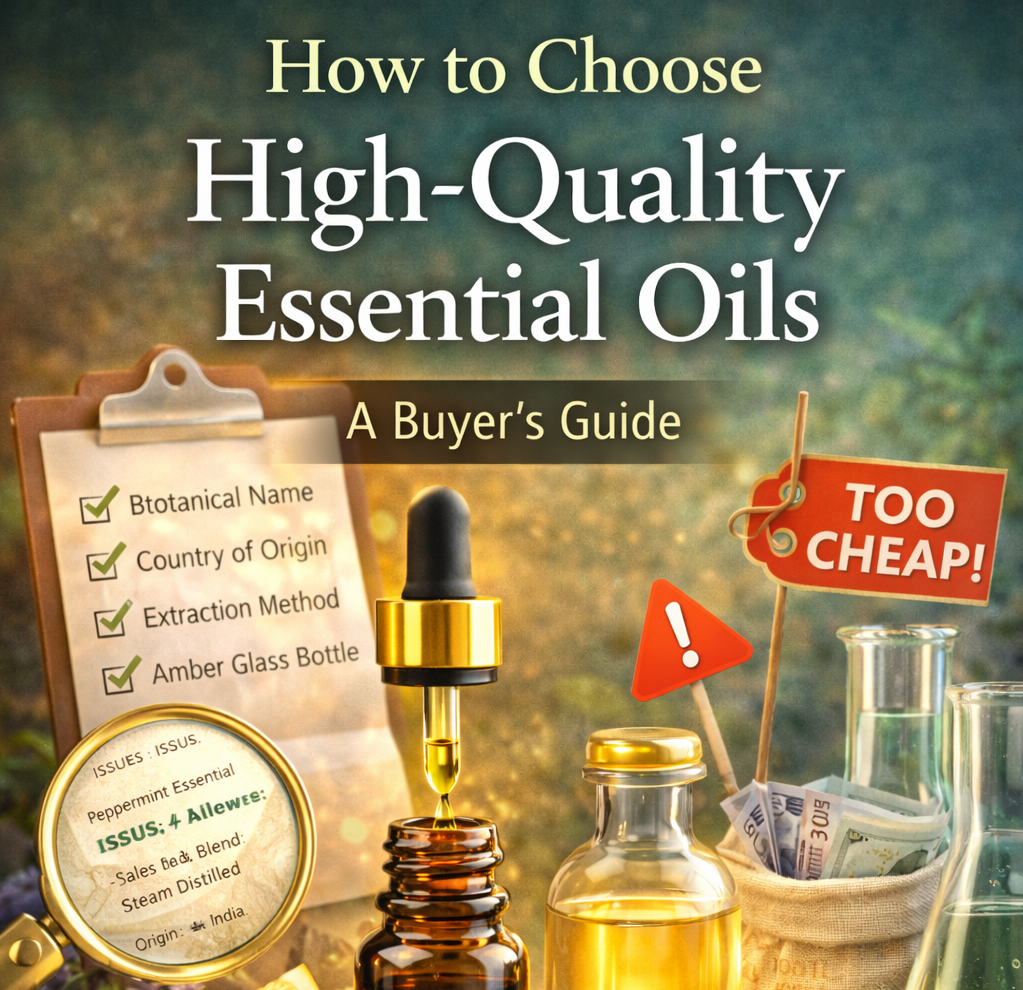
1️⃣ Look for the Botanical (Latin) Name
A high-quality essential oil should always list its botanical name.
For example:
- Lavender → Lavandula angustifolia
- Peppermint → Mentha × piperita
- Tea Tree → Melaleuca alternifolia
Why this matters:
- Different species can have very different chemical profiles
- Botanical names ensure transparency and traceability
👉 Avoid products that only list a common name without further detail.
2️⃣ Understand the Extraction Method
The extraction method influences purity and aroma.
Common methods include:
- Steam distillation – most common and preferred
- Cold pressing – used mainly for citrus oils
High-quality brands clearly state how their oils are extracted.
🚫 Be cautious with vague labels like “fragrance oil” or “aroma oil” — these are often synthetic.
3️⃣ Check the Country of Origin
Plants grow best in specific climates.
For example:
- Lavender thrives in Mediterranean regions
- Frankincense is traditionally sourced from parts of Africa
- Citrus oils often come from Southern Europe
Knowing the origin:
- Indicates authenticity
- Supports ethical sourcing
- Reflects aromatic quality
4️⃣ Packaging Matters More Than You Think
Essential oils are sensitive to:
High-quality oils are typically stored in:
- Dark amber or blue glass bottles
- Airtight containers
- Small volumes to reduce oxidation
🚫 Avoid essential oils sold in plastic or clear bottles.
5️⃣ Beware of “Too Cheap to Be True” Prices
Producing pure essential oils requires:
- Large quantities of plant material
- Skilled extraction
- Careful quality control
If a price seems unrealistically low, the oil may be:
- Diluted
- Synthetic
- Poorly sourced
Quality oils are an investment in safety and experience.
6️⃣ Transparency Builds Trust
Reputable brands usually provide:
- Clear ingredient lists
- Usage guidelines
- Safety information
- Honest, non-medical claims
They focus on education, not exaggerated promises.
👉 Sunoom carefully selects essential oils with transparency, purity, and responsible sourcing in mind.
7️⃣ “Pure” and “Natural” — What Do These Words Really Mean?
Marketing terms can be confusing.
Important to know:
- “Pure” and “natural” are not legally regulated terms
- They don’t guarantee quality on their own
Always look beyond labels and examine:
- Botanical names
- Sourcing details
- Brand credibility
8️⃣ Should You Choose Single Oils or Blends?
- Ideal for learning
- Allow you to understand individual aromas
- Offer flexibility for personal routines
- Convenient and beginner-friendly
- Professionally balanced
- Designed for specific moods or environments
👉 Many beginners enjoy starting with curated blends to explore aromatherapy safely.
Common Mistakes When Buying Essential Oils
Avoid these frequent pitfalls:
- Buying based on scent alone
- Trusting unverified online marketplaces
- Ignoring safety information
- Using fragrance oils instead of essential oils
Education is your best protection.
How to Start Building a Quality Collection
If you’re new to aromatherapy:
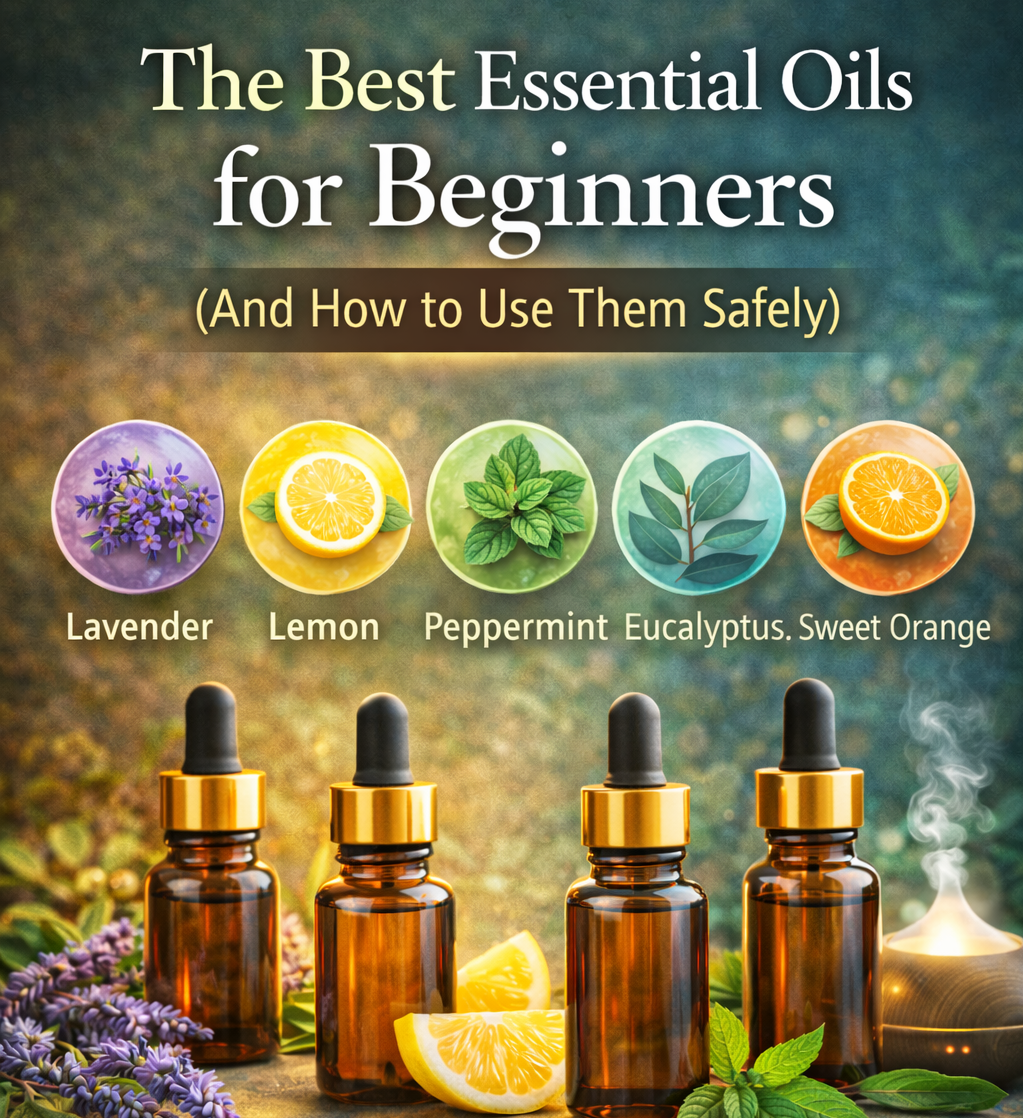
- Start with 3–5 versatile oils
- Choose reputable sources
- Learn safe usage basics
- Expand slowly based on your needs
A thoughtful approach leads to better long-term enjoyment.
Final Thoughts
Choosing high-quality essential oils is about knowledge, awareness, and intention.
By understanding what to look for — and what to avoid — you can enjoy aromatherapy with greater confidence, safety, and satisfaction.
Quality oils support not only your space, but also your overall wellness experience.
🌿 Explore Carefully Selected Essential Oils
Discover Sunoom’s essential oils and blends, chosen with quality, transparency, and mindful use in mind.
🔍 Coming Next (Day 5)
We’ll explore the best essential oils for beginners and how to build a simple, effective starter routine.