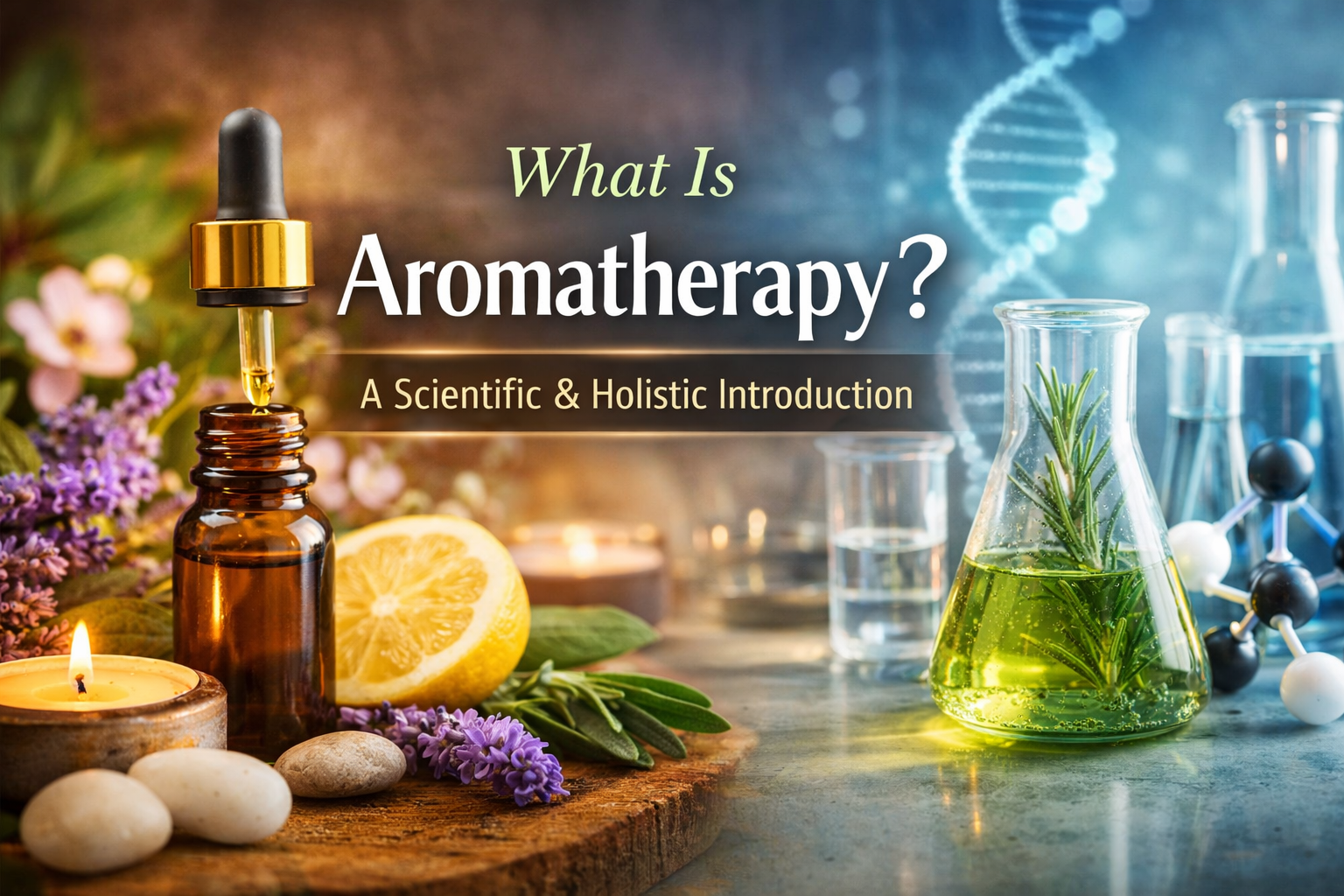
Aromatherapy is becoming increasingly popular across Europe as more people look for natural, supportive ways to improve daily well-being. But what exactly is aromatherapy, and how does it work from both a scientific and holistic perspective?
In this guide, we’ll explore what aromatherapy is, how essential oils are used, what science says about their effects, and how they can be incorporated safely into a modern wellness routine.
What Is Aromatherapy?
Aromatherapy is a holistic practice that uses natural aromatic plant extracts, known as essential oils, to support physical, emotional, and mental well-being.
These essential oils are typically extracted from:
- Flowers
- Leaves
- Bark
- Roots
- Citrus peels
- Resins
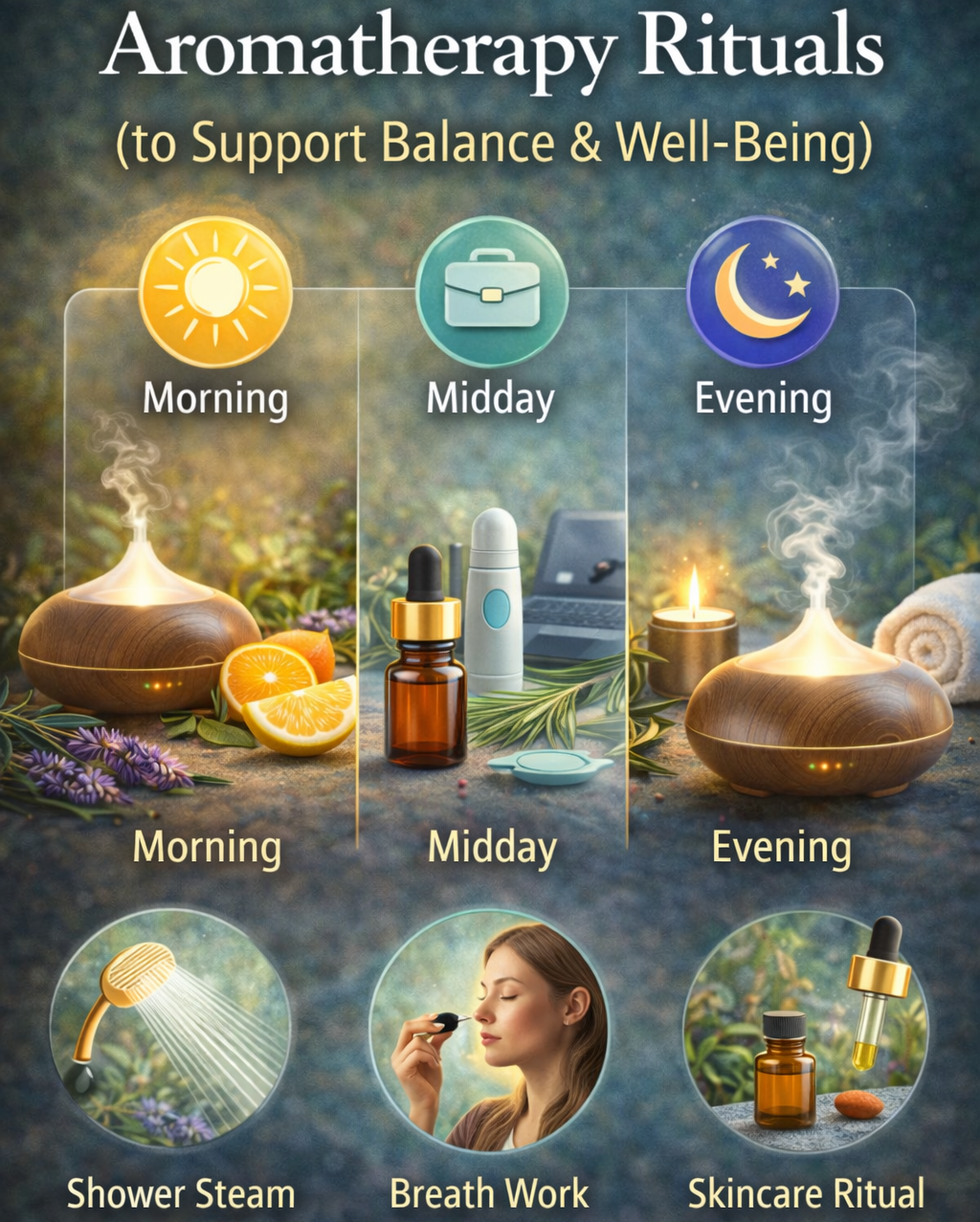
They are used in aromatherapy through methods such as inhalation, diffusion, and topical application (always diluted).
Aromatherapy does not aim to diagnose, treat, or cure disease. Instead, it is traditionally used to support balance, relaxation, and overall well-being as part of a holistic lifestyle.
A Brief History of Aromatherapy
The use of aromatic plants dates back thousands of years. Civilisations such as the Ancient Egyptians, Greeks, Romans, and Chinese used plant essences for rituals, personal care, and wellness practices.
The modern term “aromatherapy” was coined in the early 20th century by French chemist René-Maurice Gattefossé, who studied the properties of essential oils and their traditional uses.
Today, aromatherapy blends traditional wisdom with modern scientific research, making it a popular complementary practice in contemporary wellness.
What Are Essential Oils?
Essential oils are highly concentrated extracts obtained from plants, usually through steam distillation or cold pressing.
They contain the plant’s natural aromatic compounds, which give each oil its characteristic scent and properties.
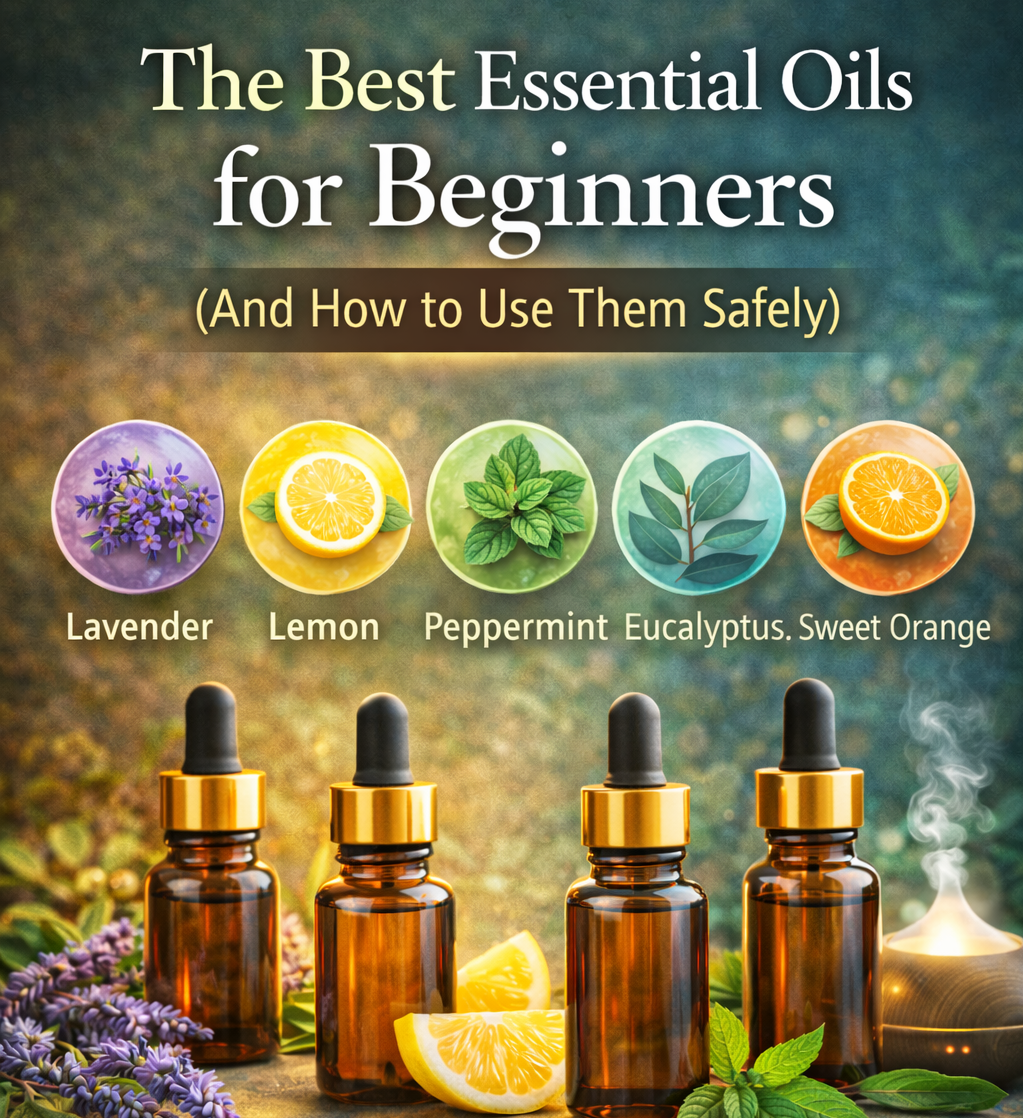
Some of the most well-known essential oils include:
Because essential oils are concentrated, quality and safe use are essential when incorporating them into daily routines.
👉 If you’re new to aromatherapy, exploring a carefully curated [essential oil starter kit] can be a gentle way to begin.
How Does Aromatherapy Work? (Science Explained Simply)
1. The Sense of Smell and the Brain
When essential oils are inhaled, aromatic molecules travel through the nose to the olfactory system, which is closely connected to the limbic system—the area of the brain involved in emotions, memory, and mood.
This connection explains why certain scents are traditionally associated with feelings such as calmness, focus, or comfort.
2. Topical Use and Skin Absorption
When diluted properly and applied to the skin, essential oils may be absorbed in small amounts. This is why dilution with a carrier oil is always recommended.
Scientific research continues to explore how different compounds interact with the body, but aromatherapy is primarily used for sensory and emotional support rather than medical treatment.
Aromatherapy: Scientific and Holistic Perspectives
From a scientific point of view, studies suggest that certain aromatic compounds may influence mood, stress perception, and relaxation responses.
From a holistic perspective, aromatherapy views well-being as a balance between:
- Mind
- Body
- Emotions
- Environment
Rather than focusing on symptoms alone, aromatherapy is traditionally used to support overall harmony and daily self-care rituals.
This balanced approach is why aromatherapy fits well into modern lifestyles focused on mindfulness and well-being.
Research suggests that inhaled scents can communicate with the brain’s emotional centers via the olfactory system, influencing mood and behaviour.
Some studies show aromatherapy may help support better sleep quality when used consistently.
Common Ways to Use Aromatherapy
🌬️ Diffusion
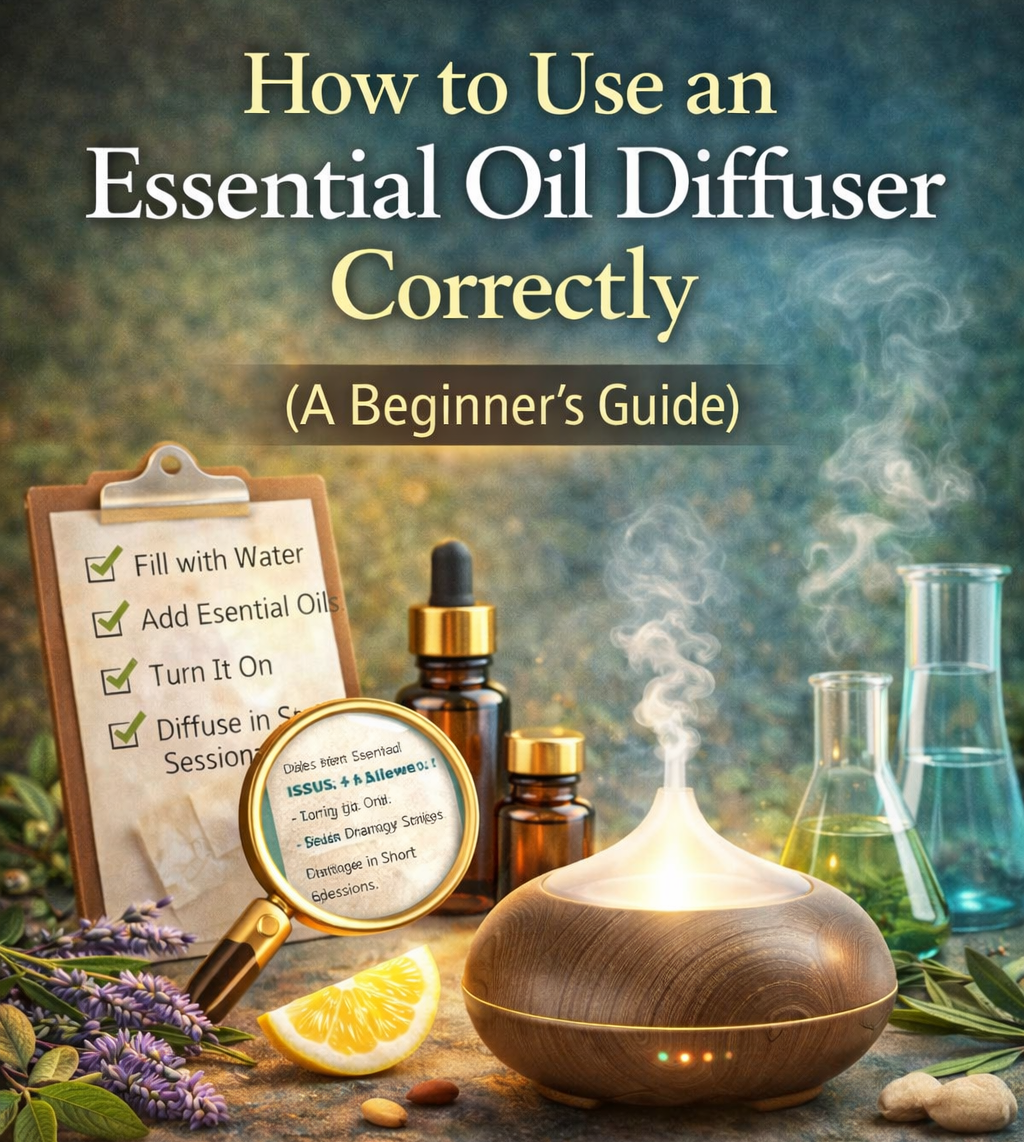
Using a diffuser allows essential oils to gently scent a space, creating a calming or uplifting atmosphere.
👉 Many people start with a [natural essential oil diffuser] to experience aromatherapy at home.
🌿 Topical Application
Essential oils can be applied to the skin only when diluted with a carrier oil, such as jojoba or sweet almond oil.
👃 Inhalation
Simple inhalation methods, like breathing in aroma from a tissue or personal inhaler, are commonly used for quick sensory support.
Is Aromatherapy Safe?
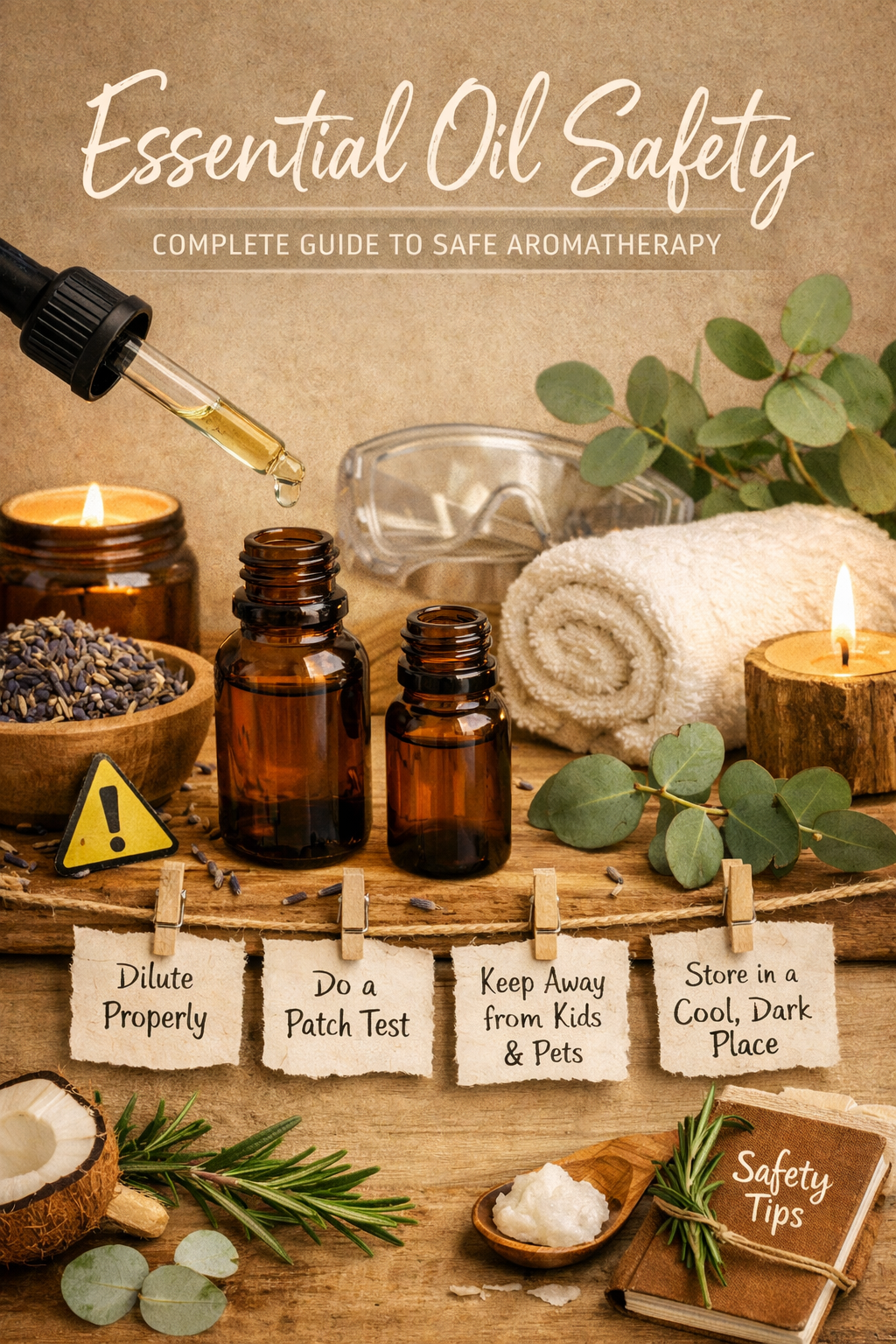
When used correctly, aromatherapy is generally considered safe for most adults. However, it’s important to follow basic guidelines:
- Always dilute essential oils before skin application
- Avoid contact with eyes and sensitive areas
- Use caution during pregnancy or if you have health conditions
- Keep essential oils away from children and pets unless advised by a qualified professional
Aromatherapy should always be viewed as complementary and not a replacement for professional medical advice.
👉 Choosing high-quality, well-sourced essential oils makes a significant difference in both safety and experience.
Getting Started with Aromatherapy
If you’re new to aromatherapy, simplicity is key. Starting with a few versatile essential oils and learning how to use them safely can help you build confidence and enjoyment.
Many beginners choose:
- Lavender (relaxation support)
- Lemon (fresh, uplifting aroma)
- Peppermint (invigorating scent)
👉 Explore Sunoom’s [beginner-friendly essential oil collections], carefully selected to support a balanced and mindful lifestyle.
Final Thoughts
Aromatherapy is both an ancient practice and a modern wellness tool. When approached with knowledge, quality products, and respect for safety, it can become a meaningful part of daily self-care.
By blending science-backed understanding with holistic tradition, aromatherapy offers a gentle way to support well-being in today’s fast-paced world.
🌿 Continue Your Aromatherapy Journey
Discover Sunoom’s carefully curated essential oils and aromatherapy accessories, selected to support your daily well-being—naturally and responsibly.
Scientific References & Further Reading
– Aromatherapy’s effects on mood & physiology (PubMed) — more details on olfactory pathways and psychological effects. PubMed review: Aromatherapy effects on mood and physiology
– Aromatherapy overview from NIH — trusted institutional perspective. Aromatherapy overview (NCCIH)
– Aromatherapy safety & risks — what to consider before use. Aromatherapy safety and risks (Medical News Today)