Meditation: A Complete Guide to the Different Types of Meditation and Their Benefits
Meditation has been practiced for thousands of years across different cultures and spiritual traditions. Today, it is recognized not only as a spiritual tool but also as a powerful practice for mental clarity, emotional balance, stress reduction, and overall well-being.
Whether you are beginning your journey or deepening your practice, understanding the different types of meditation can help you find the technique that resonates most with your mind, body, and spirit.
What Is Meditation?
Meditation is the practice of training awareness and attention to achieve a mentally clear, emotionally calm, and energetically balanced state.
Contrary to popular belief, meditation is not about “stopping thoughts.” Instead, it is about observing thoughts without attachment and cultivating presence.
Meditation can be:
Spiritual
Therapeutic
Energetic
Religious
Scientific
Creative
Emotional
There is no single “correct” way to meditate.
Benefits of Meditation
Regular meditation practice may help:
Reduce stress and anxiety
Improve concentration and memory
Enhance emotional regulation
Increase self-awareness
Improve sleep quality
Support nervous system balance
Promote spiritual growth
Increase creativity and intuition
Support chakra and energetic balance
The Main Types of Meditation
1. Breath Meditation
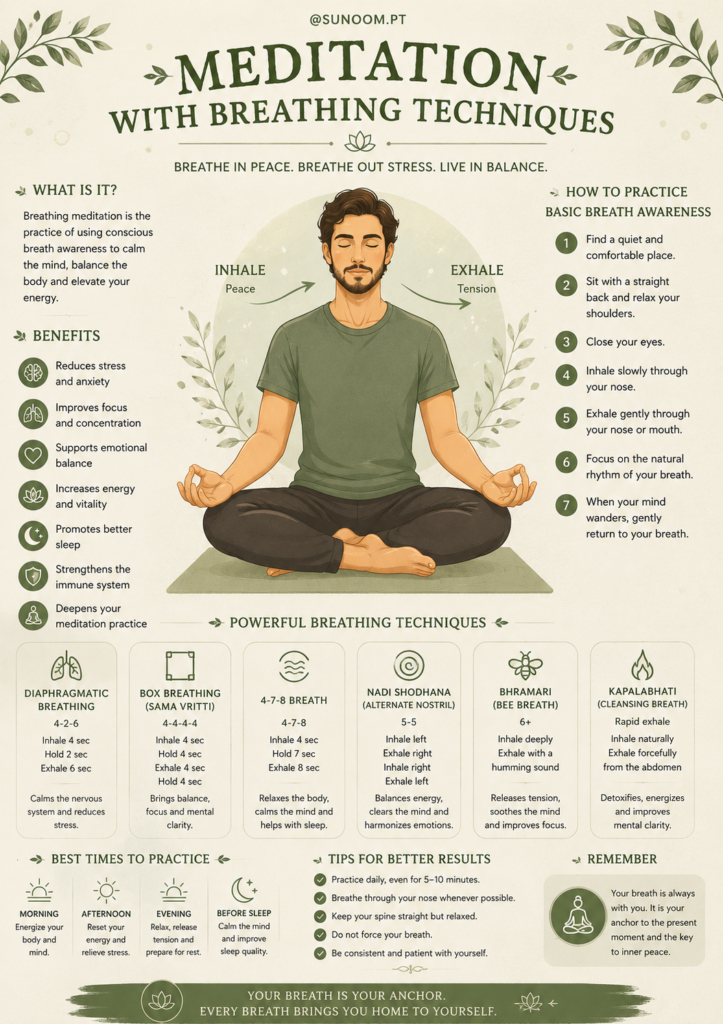
Meditation With Breathing Tecniques
Breath meditation is one of the simplest and most powerful forms of meditation.
The focus is placed entirely on breathing.
How to Practice
Sit comfortably.
Close your eyes.
Inhale slowly through the nose.
Exhale gently.
Observe the breath without trying to control it.
Benefits
Calms the nervous system
Reduces anxiety
Improves focus
Grounds the mind
Best For
Beginners and stress relief.
2. Mantra Meditation
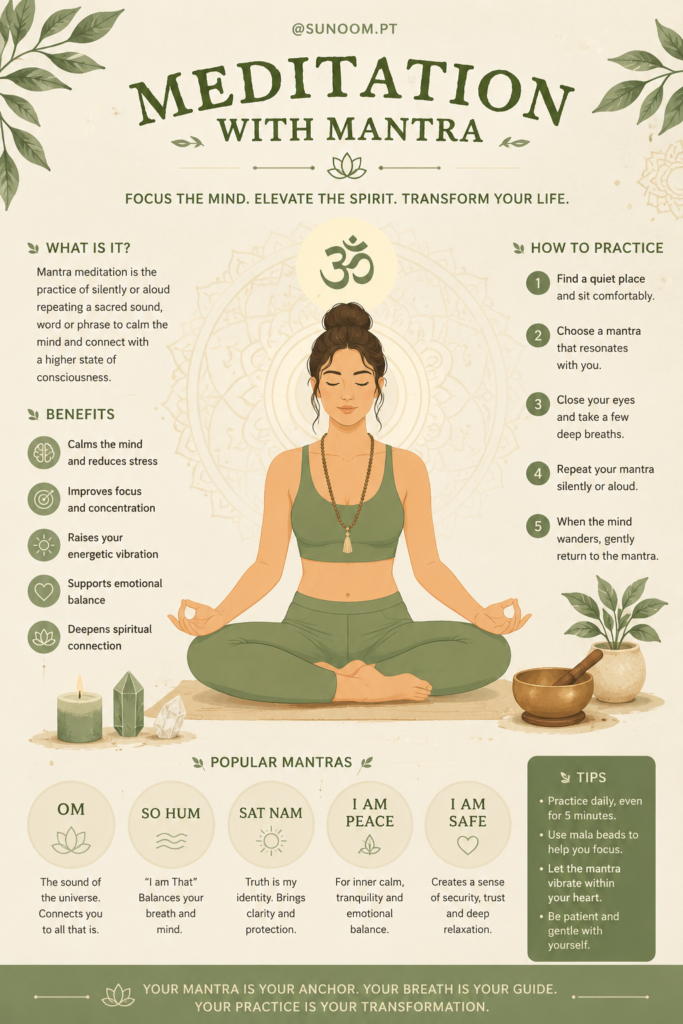
Mantra Meditation
Mantra meditation involves repeating a sound, word, or phrase to focus the mind and elevate consciousness.
Popular Mantras
OM
SO HUM
SAT NAM
I AM PEACE
I AM SAFE
How to Practice
Repeat the mantra silently or aloud while breathing slowly.
Benefits
Improves concentration
Raises energetic vibration
Helps quiet mental noise
Creates emotional balance
Best For
People with overactive thoughts.
3. Guided Meditation
Guided meditation uses verbal guidance to lead the practitioner through a mental or emotional experience.
Usually performed with:
Audio recordings
Videos
Meditation teachers
Common Guided Themes
Relaxation
Healing
Sleep
Anxiety relief
Chakra balancing
Manifestation
Benefits
Easy for beginners
Deep relaxation
Emotional healing
Helps visualization skills
4. Visualization Meditation
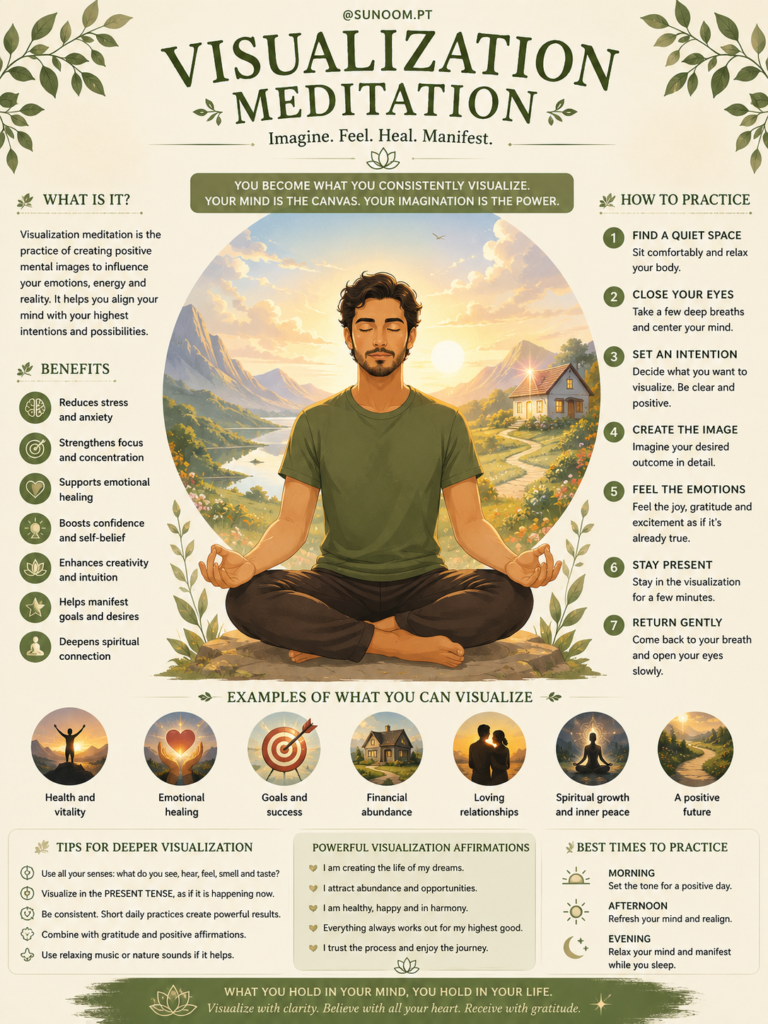
Visualization Meditation
Visualization meditation uses mental imagery to influence emotions, energy, and focus.
Examples
Imagining white healing light
Visualizing nature
Seeing energy moving through chakras
Manifestation visualization
Benefits
Boosts creativity
Improves emotional healing
Strengthens intention
Enhances spiritual connection
Best For
Creative and visual thinkers.
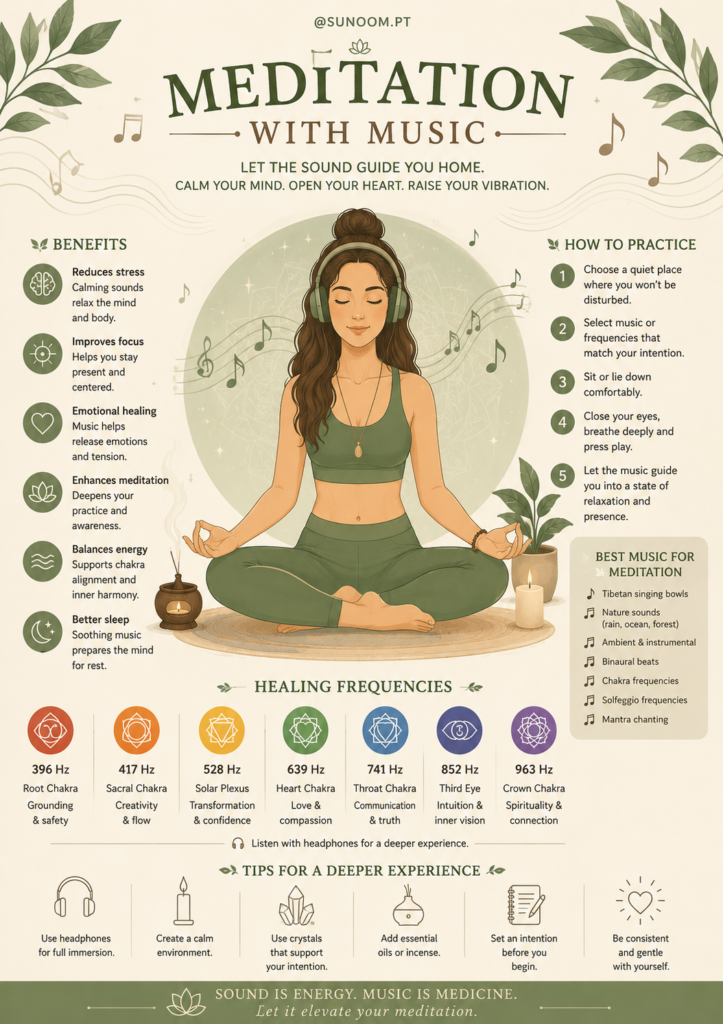
5. Music Meditation
Music Meditation
Music meditation uses calming sounds or frequencies to help induce meditative states.
Common Sounds
Tibetan bowls
Nature sounds
Ambient music
Solfeggio frequencies
Binaural beats
Popular Frequencies
396 Hz — Root Chakra
417 Hz — Sacral Chakra
528 Hz — Transformation
639 Hz — Heart Chakra
741 Hz — Throat Chakra
852 Hz — Third Eye Chakra
963 Hz — Crown Chakra
Benefits
Helps relaxation
Enhances emotional release
Supports chakra meditation
Easier mental focus
6. Mindfulness Meditation
Mindfulness meditation focuses on awareness of the present moment without judgment.
You Observe:
Thoughts
Emotions
Sensations
Sounds
Breathing
Benefits
Reduces stress
Improves emotional intelligence
Increases self-awareness
Enhances mental clarity
Best For
Daily life balance and emotional wellness.
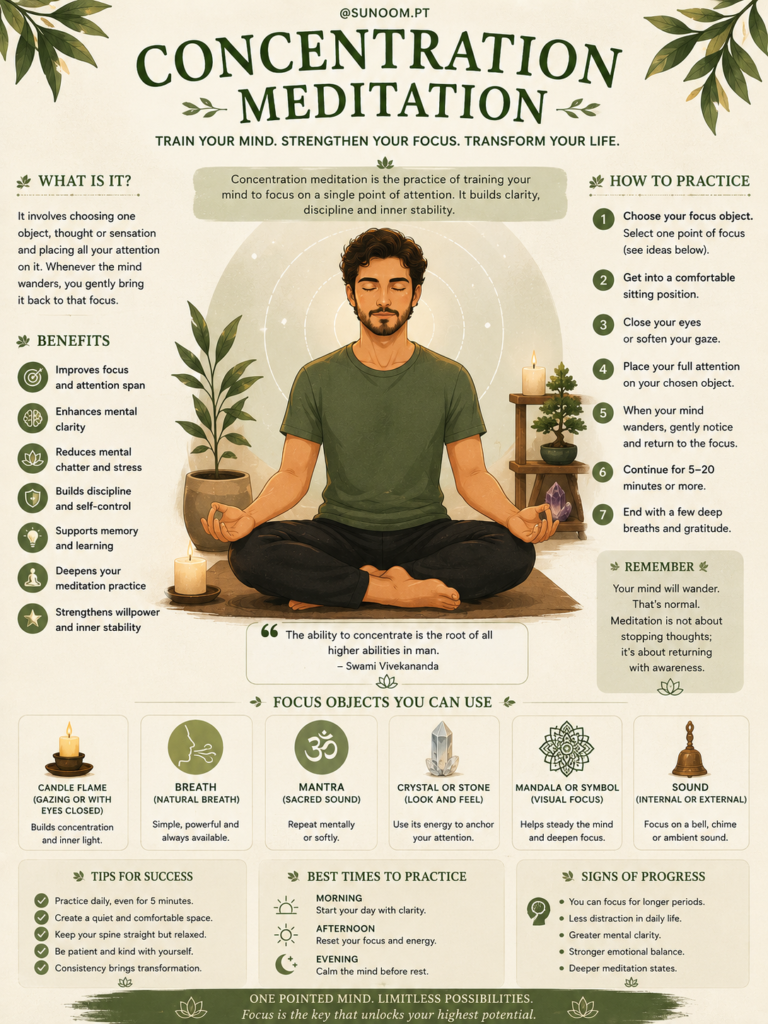
7. Concentration Meditation
Concentration Meditation
This practice trains the mind to focus on a single object.
Focus Objects
Candle flame
Breath
Symbol
Sound
Crystal
Mandala
Benefits
Improves attention span
Enhances discipline
Strengthens mental clarity
Reduces distractions
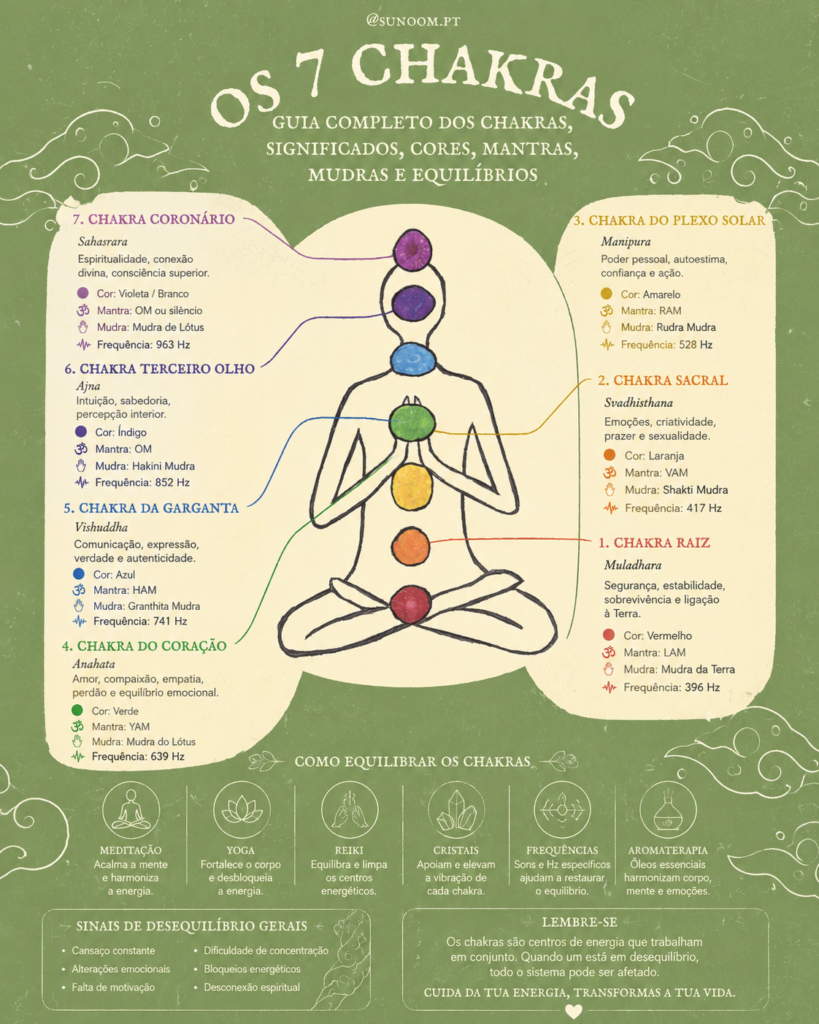
8. Chakra Meditation
What are chakras
Chakra meditation focuses on balancing the body’s energy centers.
Usually Includes
Colors
Mantras
Frequencies
Breathwork
Visualization
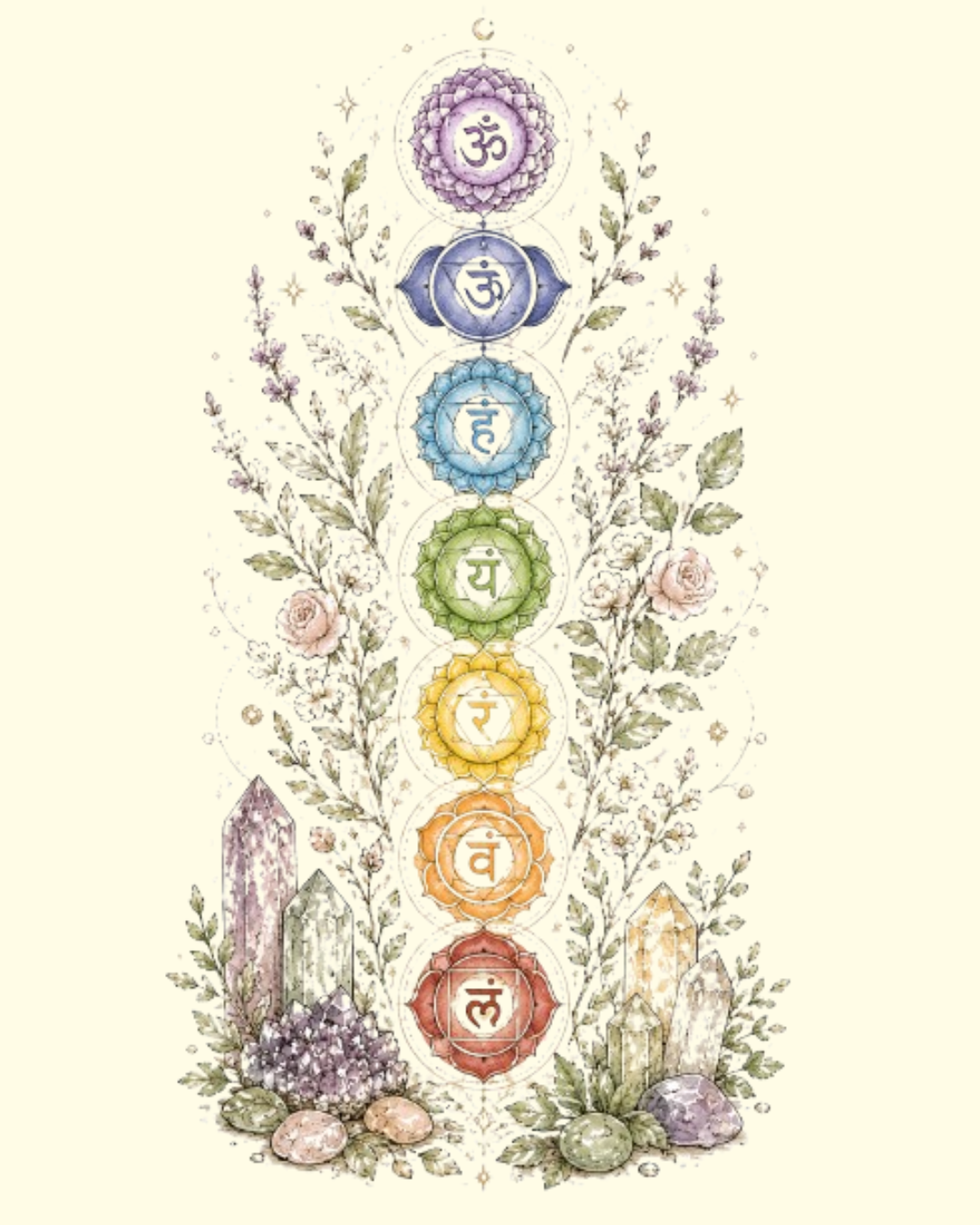
Chakra Colors
Root — Red
Sacral — Orange
Solar Plexus — Yellow
Heart — Green
Throat — Blue
Third Eye — Indigo
Crown — Violet/White
Benefits
Energetic balance
Emotional healing
Spiritual awareness
Inner harmony
9. Loving-Kindness Meditation (Metta)
Mantra Meditation
This meditation focuses on compassion and unconditional love.
Common Phrases
May I be happy
May I be healthy
May I be peaceful
May all beings be safe
Benefits
Reduces anger
Increases empathy
Promotes emotional healing
Improves relationships
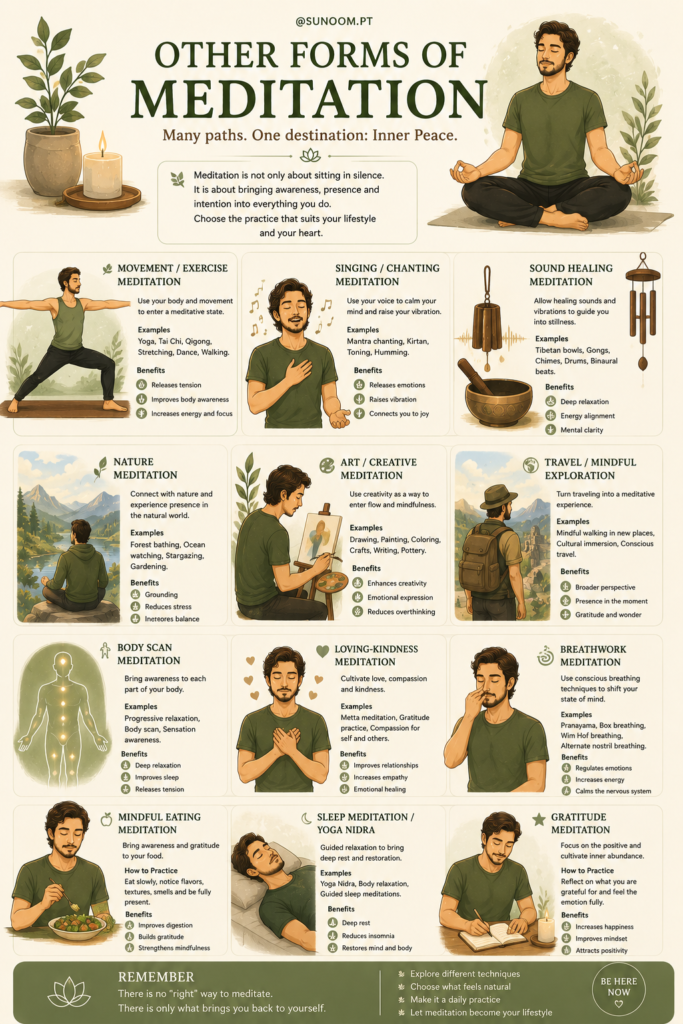
10. Walking Meditation
Meditation does not always require sitting still.
Walking meditation combines movement and mindfulness.
How to Practice
Walk slowly while focusing on:
Steps
Breath
Surroundings
Body sensations
Benefits
Grounding
Mental clarity
Emotional regulation
Connection with nature
Meditation and Brain Science
Studies suggest meditation may positively affect:
Stress hormones
Brain plasticity
Sleep regulation
Emotional processing
Focus and memory
Meditation may help activate the parasympathetic nervous system, supporting deep relaxation and recovery.
Common Meditation Challenges
“I Can’t Stop Thinking”
That is normal. Meditation is not the absence of thought — it is awareness of thought.
“I Don’t Have Time”
Even 5 minutes daily can create benefits.
“I Get Distracted”
Distraction is part of the practice. Gently return your focus.
“I Don’t Feel Anything”
Benefits often build gradually with consistency.
Best Tips for Beginners
Another forms of meditation
Start with 5–10 minutes daily
Use guided meditations
Create a calm environment
Practice consistently
Avoid judging your experience
Experiment with different meditation styles
Creating a Meditation Space at Home
You can improve your practice by creating a peaceful space with:
Candles
Crystals
Plants
Essential oils
Cushions
Soft lighting
Incense
Meditation music
Meditation and Spiritual Growth
For many people, meditation becomes more than relaxation.
It becomes:
A path to self-awareness
A connection to intuition
A spiritual discipline
A method for energetic healing
A tool for inner transformation
Final Thoughts
Meditation is deeply personal.
Some people connect with silence. Others connect with music, movement, breath, or visualization.
The most important thing is consistency and finding a practice that feels natural to you.
There is no perfect meditation — only the one that helps you reconnect with yourself.
FAQ About Meditation
How long should I meditate?
Beginners can start with 5–10 minutes daily.
Is meditation religious?
Not necessarily. Meditation can be spiritual, therapeutic, or secular.
Can meditation help anxiety?
Many people use meditation to support stress and anxiety management.
What is the best meditation for beginners?
Breath meditation and guided meditation are excellent starting points.
Can I meditate lying down?
Yes, especially for sleep or relaxation meditations.
Should I meditate every day?
Consistency usually provides the best results.
You can find more content like this on www.sunoom.pt . Make sure to help this project grow, you can help us giving your follow on our social media, or shop at our store. In any case, we appreciate it. See you soon.
Introduction Over the years, I have had the privilege of supporting many individuals on their wellness journeys through Reiki. Some people arrive with a deep
Chakras (Quick Summary) Chakras are energy centers within the body associated with physical, emotional, mental, and spiritual well-being. The chakra system originates from ancient Indian
Holistic Health (Quick Summary) Holistic health is an approach to wellness that focuses on the whole person—mind, body, and spirit—rather than just treating symptoms. It
Cancer treatments such as chemotherapy, radiation therapy, and infusion therapies can bring a range of challenging side effects. Many patients undergoing treatment experience nausea, anxiety,
Dermatitis is a common inflammatory skin condition that affects millions of people worldwide. It can cause redness, itching, dryness, irritation, and inflammation, often making the