What Is Holistic Health? A Complete Beginner’s Guide to Natural Wellness
Holistic Health (Quick Summary)
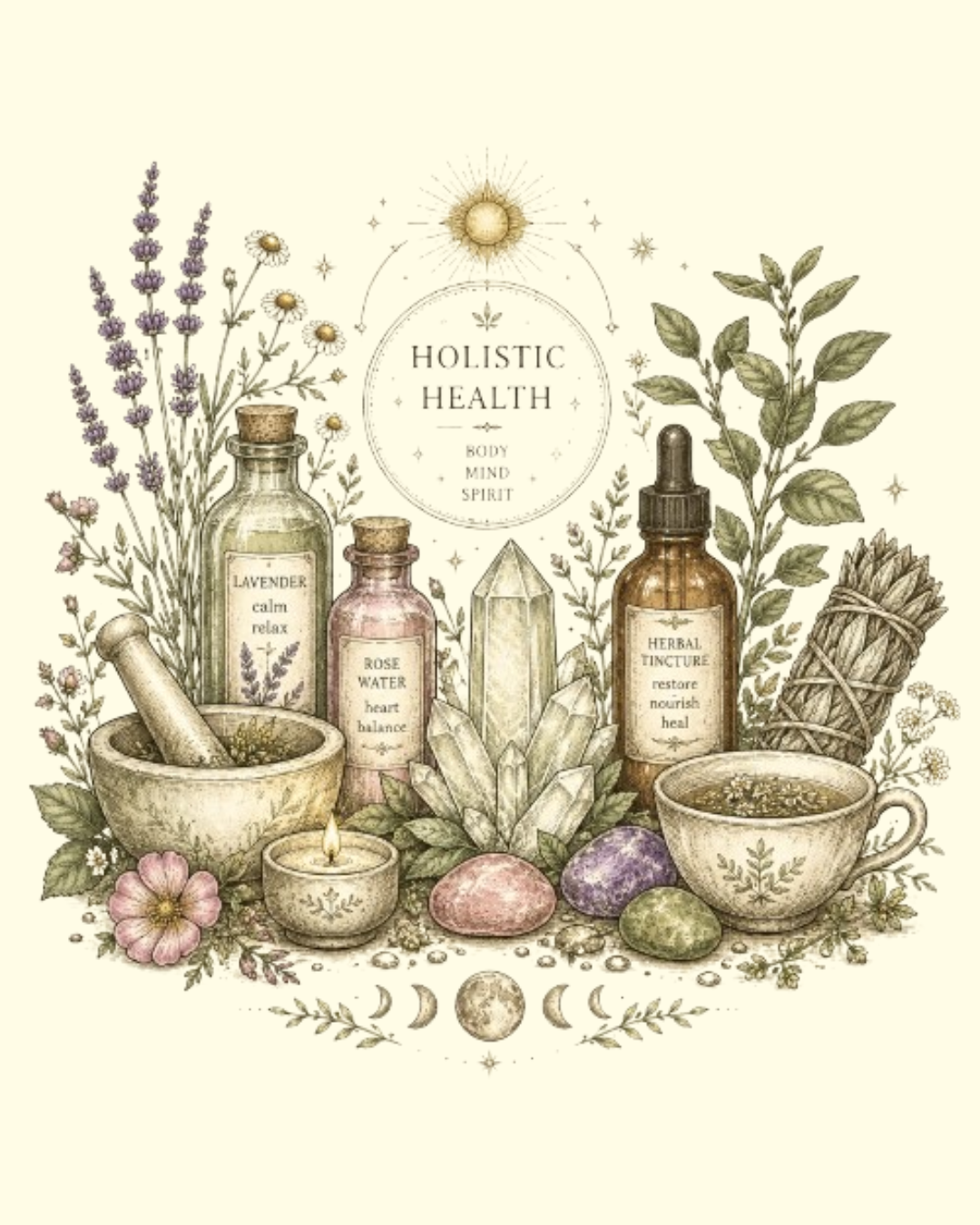
Holistic health is an approach to wellness that focuses on the whole person—mind, body, and spirit—rather than just treating symptoms. It combines natural practices such as nutrition, lifestyle changes, emotional balance, and alternative therapies to promote long-term well-being.
What Is Holistic Health?
Holistic health is a form of wellness care that considers the entire person, including physical, mental, emotional, and spiritual aspects of health.
Instead of focusing only on illness, holistic health aims to:
Identify root causes
Support the body’s natural healing ability
Promote balance and prevention
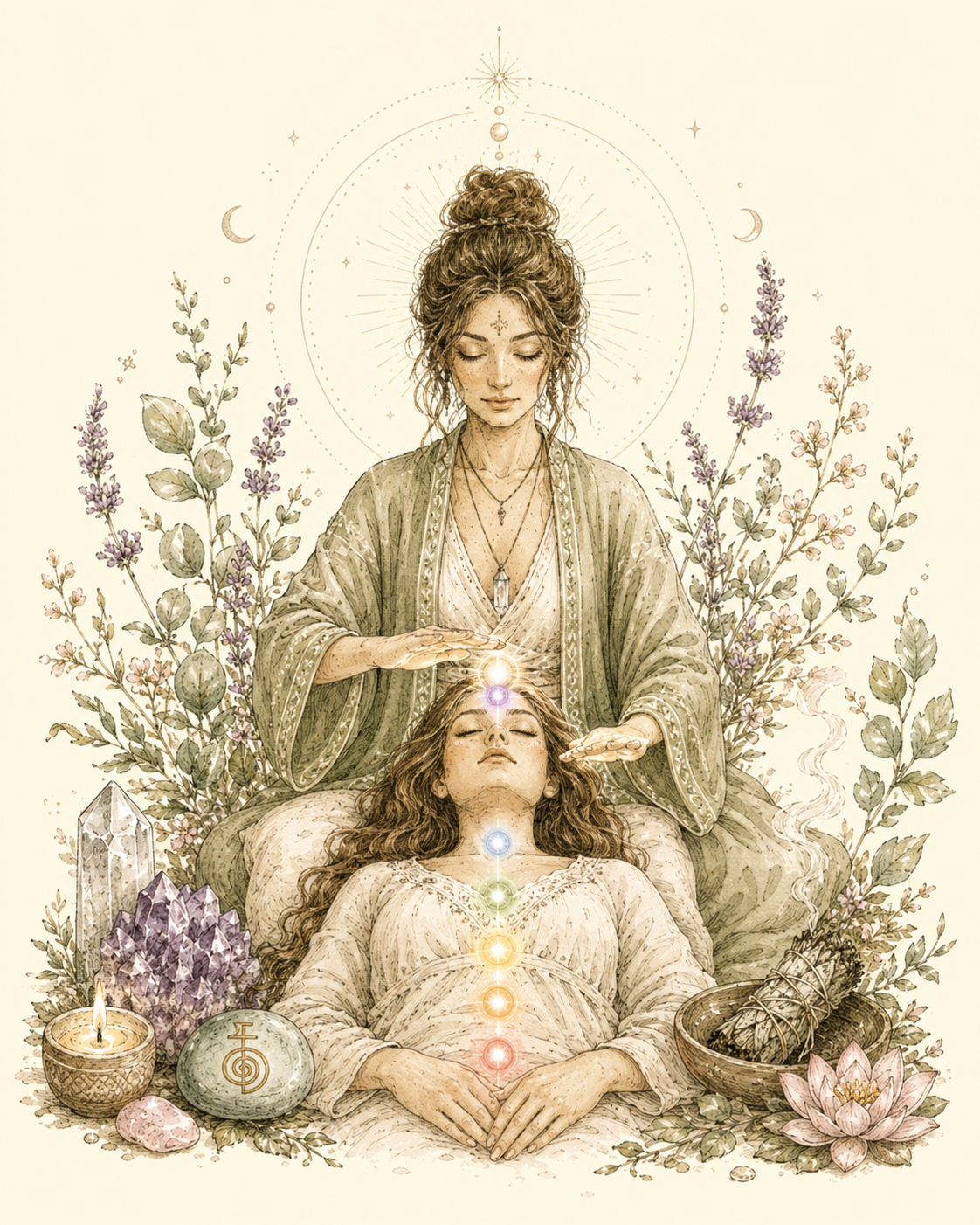
This approach is widely used in practices like Naturopathy, Herbal Medicine, and Reiki.
Why Holistic Health Matters
Modern lifestyles often focus on quick fixes, but holistic health emphasizes long-term balance.
Benefits of a holistic approach:
Improves overall well-being
Reduces stress and anxiety
Supports natural healing
Encourages healthier habits
Focuses on prevention instead of treatment
By addressing the root causes of health issues, holistic health can lead to more sustainable results.
The 4 Pillars of Holistic Health
Holistic health is built on four key pillars:
1. Physical Health
This includes:
Nutrition
Exercise
Sleep
Natural remedies
A balanced diet and active lifestyle form the foundation of overall health.
2. Mental Health
Mental well-being includes:
Stress management
Mindfulness
Emotional resilience
Practices like meditation and journaling help improve clarity and focus.
3. Emotional Health
Emotional balance involves:
Managing feelings
Healthy relationships
Self-awareness
Unresolved emotions can affect physical health, making this pillar essential.
4. Spiritual Health
Spiritual health relates to:
Purpose and meaning
Inner peace
Connection to self or nature
Practices like meditation, breathwork, and Reiki are often used to support this aspect.
Key Principles of Holistic Health
Holistic health follows several core principles:
The body has a natural ability to heal itself
Health is more than the absence of disease
Prevention is better than treatment
Balance is essential for well-being
Every person is unique
These principles guide practices like Naturopathy, which focuses on natural healing methods.
Holistic Health Practices You Can Start Today
You don’t need to change everything at once. Start with simple habits:
1. Improve Your Diet
Focus on:
Whole foods
Fresh fruits and vegetables
Herbal teas and natural ingredients
2. Reduce Stress Naturally
Try:
Meditation
Deep breathing
Time in nature
3. Use Natural Remedies
Many people use Herbal Medicine to support health naturally.
Examples include:
Chamomile for relaxation
Ginger for digestion
Lavender for sleep
4. Prioritize Sleep
Good sleep is essential for:
Recovery
Mental clarity
Hormonal balance
5. Practice Mind-Body Techniques
Techniques like yoga, meditation, and Reiki help restore balance.
Holistic Health vs Conventional Medicine
Holistic Health
Conventional Medicine
Focuses on root causes
Focuses on symptoms
Uses natural approaches
Uses pharmaceuticals
Emphasizes prevention
Emphasizes treatment
Treats the whole person
Treats specific conditions
Both approaches can work together, but holistic health focuses more on long-term wellness.
Who Can Benefit from Holistic Health?
Holistic health is suitable for:
People looking for natural wellness solutions
Those dealing with stress or burnout
Individuals interested in preventive health
Anyone wanting a balanced lifestyle
It is especially helpful for those seeking alternatives to purely symptom-based treatments.
Holistic Health – Key Facts
Holistic health treats the mind, body, and spirit together
It focuses on prevention and long-term balance
Natural therapies are commonly used
Lifestyle plays a major role in health outcomes
It supports the body’s natural healing process
Frequently Asked Questions
What is holistic health in simple terms?
Holistic health means caring for the whole person—body, mind, and spirit—to achieve overall well-being rather than just treating symptoms.
Is holistic health scientifically proven?
Some aspects, such as nutrition and stress management, are well-supported by science, while others depend on individual experiences and practices.
What are examples of holistic health practices?
Examples include:
Healthy eating
Meditation
Herbal remedies
Yoga
Energy healing methods like Reiki
Can holistic health replace conventional medicine?
Holistic health is often used alongside conventional medicine, not as a complete replacement. It focuses on prevention and lifestyle improvements.
Final Thoughts
Holistic health is more than a trend—it’s a complete approach to living well. By focusing on the balance between mind, body, and spirit, you can create a healthier and more sustainable lifestyle.
Starting small with simple habits can lead to powerful long-term benefits. Follow @sunoom.pt and start to learn more about Holistic Health every day.
Introduction Over the years, I have had the privilege of supporting many individuals on their wellness journeys through Reiki. Some people arrive with a deep
Meditation has been practiced for thousands of years across different cultures and spiritual traditions. Today, it is recognized not only as a spiritual tool but
Chakras (Quick Summary) Chakras are energy centers within the body associated with physical, emotional, mental, and spiritual well-being. The chakra system originates from ancient Indian
Cancer treatments such as chemotherapy, radiation therapy, and infusion therapies can bring a range of challenging side effects. Many patients undergoing treatment experience nausea, anxiety,
Dermatitis is a common inflammatory skin condition that affects millions of people worldwide. It can cause redness, itching, dryness, irritation, and inflammation, often making the