Holistic Health
Meditation Altar: Creating a Sacred Space for Inner Peace
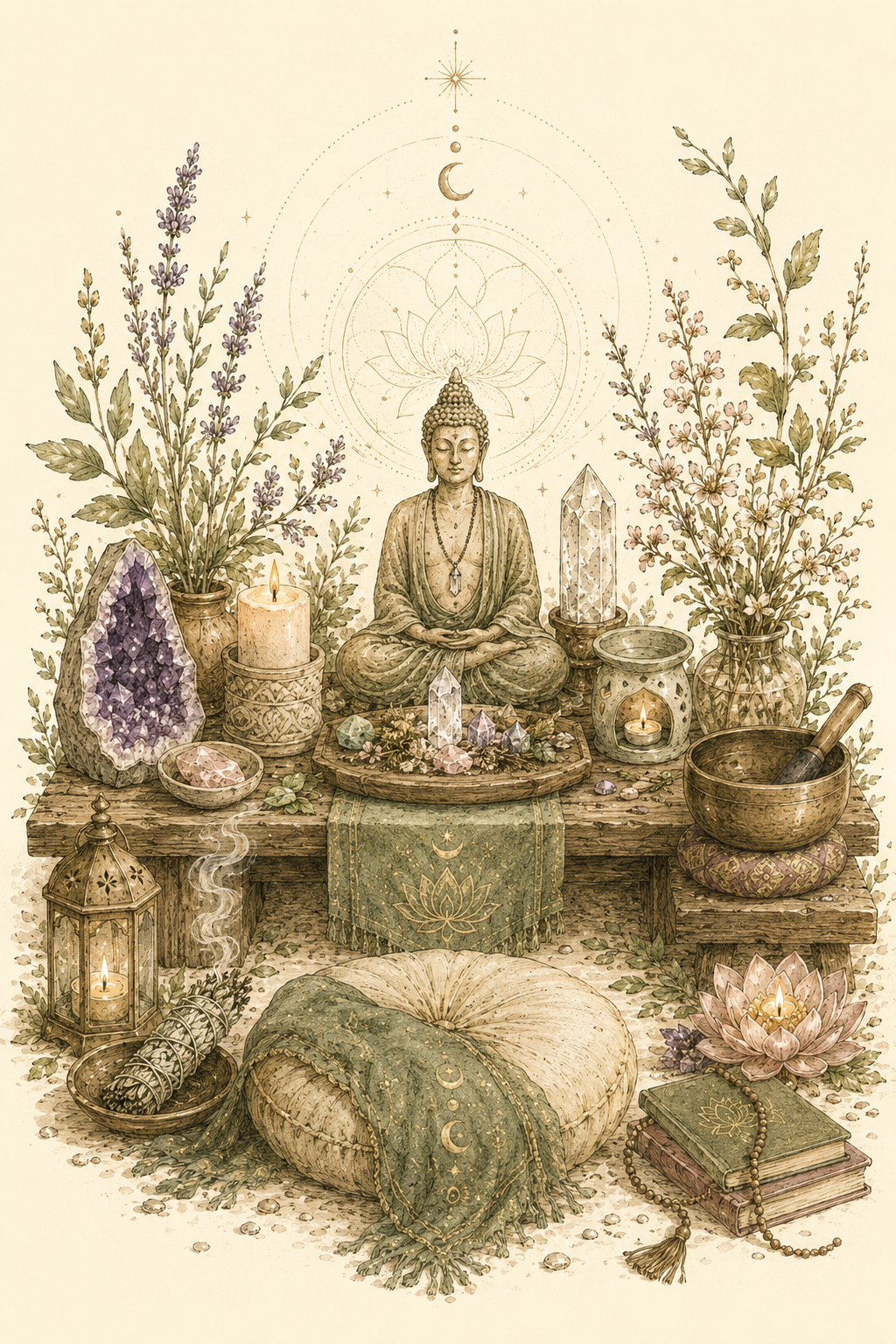
One of the most powerful ways to deepen your meditation practice is by creating a dedicated meditation altar or sacred space. A meditation altar is
Over the years, I have had the privilege of supporting many individuals on their wellness journeys through Reiki. Some people arrive with a deep interest in holistic healing, while others discover Reiki during periods of stress, transition, or personal growth. Regardless of where they begin, one question consistently arises:
What exactly is Reiki, and how can I learn it?
Reiki is often described as a gentle form of energy healing that supports relaxation, self-awareness, and overall well-being. While Reiki has spiritual roots, it is practiced today by people from many different backgrounds, beliefs, and professions.
In this guide, I will share my understanding of Reiki, its history, principles, training pathways, and the many ways people can begin learning Reiki. My goal is to provide a balanced, practical, and inspiring introduction that helps you explore Reiki with clarity and confidence.
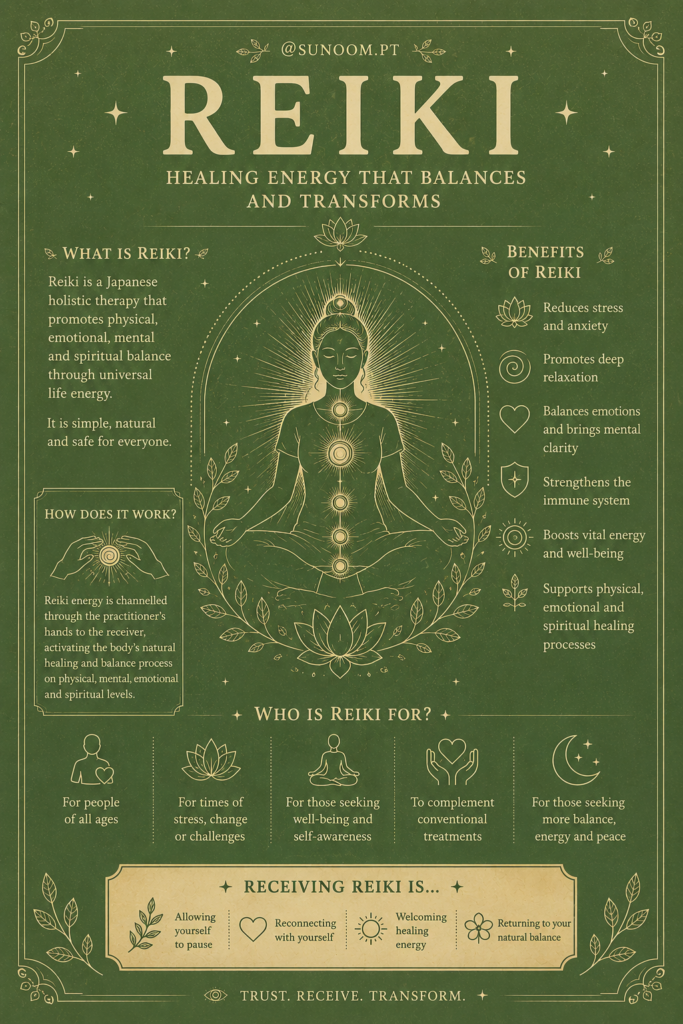
Reiki is a holistic wellness practice that originated in Japan and is based on the concept of working with life-force energy.
The word Reiki is commonly translated as:
Many cultures have concepts similar to Reiki energy:
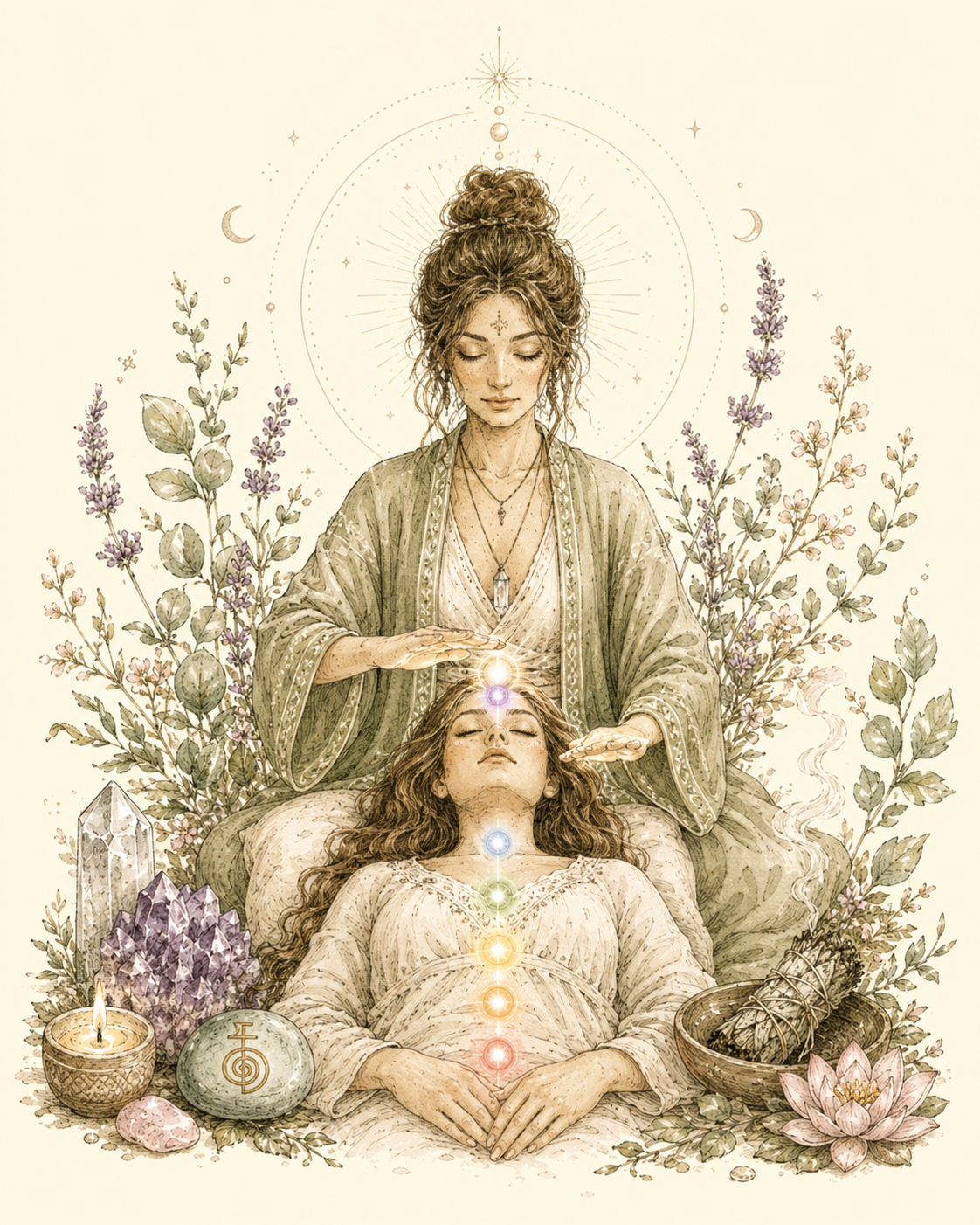
In Reiki practice, I work with the intention of supporting the natural flow of Reiki energy through gentle touch or hands held slightly above the body. The goal is not to diagnose, cure, or medically treat conditions. Rather, Reiki is commonly used as a complementary wellness practice that may encourage relaxation, emotional balance, and greater self-awareness.
Many people seek Reiki healing as part of a broader self-care routine that may also include meditation, counseling, healthy nutrition, exercise, and conventional healthcare.
Understanding Reiki’s origins helps provide important context for modern practice.
Reiki was developed in the early twentieth century by Mikao Usui, a Japanese spiritual teacher. Through years of study, meditation, and spiritual practice, Usui developed a system that combined energy awareness, personal development, meditation, and hands-on healing techniques.
The Reiki system eventually spread throughout Japan and later internationally through the efforts of several teachers, including:
As Reiki traveled across cultures, different schools and teaching styles emerged. Although approaches vary, most traditions continue to emphasize:
Today, Reiki is practiced in wellness centers, private practices, meditation communities, and increasingly alongside integrative wellness programs.
One of the aspects of Reiki that I appreciate most is its simplicity.
At the heart of Reiki practice are the traditional Reiki principles, often referred to as the Reiki Precepts.
They are commonly expressed as:
Just for today:
While these statements appear simple, they offer profound guidance for daily living.
In my experience, Reiki is not only about placing hands on the body. It is equally about cultivating a way of being.
These principles encourage:
Many Reiki practitioners spend years deepening their understanding of these principles as part of their spiritual and personal development.
Many first-time clients are curious about what happens during a Reiki session.
Although every practitioner has their own style, a typical session generally follows a similar structure.
I usually begin by discussing the client’s intentions, concerns, and goals for the session.
This conversation may include topics such as:
The client remains fully clothed and lies comfortably on a treatment table or sits in a chair.
Soft lighting, calming music, or guided breathing may be used to encourage relaxation.
I place my hands lightly on or just above various areas of the body.
Common positions include:
Many recipients report sensations such as:
Others notice very little sensation during the session yet still feel refreshed afterward.
After the session, I typically invite reflection and discussion about the experience.
Clients are encouraged to:
Every Reiki experience is unique, and outcomes vary from person to person.
It is important to approach Reiki with realistic expectations.
While Reiki healing is not a substitute for medical care, many practitioners and recipients report a variety of positive experiences.
People often describe:
Some individuals report:
Within Reiki traditions, practitioners often discuss:
Many people explore Reiki for spiritual growth.
Experiences may include:
Because Reiki experiences vary greatly, I encourage students and clients to remain open-minded and observe their own experiences rather than adopting expectations.
There are many misunderstandings surrounding Reiki.
Let’s address some of the most common ones.
Reiki is not a religion.
People of many faiths—or no religious affiliation at all—practice Reiki.
No psychic abilities are required.
Anyone can learn Reiki through proper Reiki training and consistent practice.
Reiki should be viewed as a complementary wellness practice.
It is not a replacement for professional medical diagnosis, treatment, or healthcare.
Experiences differ significantly.
Some people notice immediate effects, while others experience gradual changes over time.
Many people begin Reiki for beginners programs primarily to support their own personal growth and self-care.
Most Reiki training programs are organized into progressive levels.
Level 1 introduces foundational concepts.
Students typically learn:
The focus is usually on self-healing and personal development.
Level 2 expands Reiki practice.
Students often learn:
Many students begin offering Reiki sessions to others after this stage.
Master-level training typically involves deeper study and personal transformation.
Topics may include:
Some Reiki masters choose to become instructors.
Teacher training focuses on:
One of the most exciting aspects of modern Reiki education is the variety of learning options available.
Different people learn in different ways, and there is no single path that works for everyone.
Books remain one of the most accessible ways to begin learning Reiki.
Online Reiki courses have become increasingly popular.
Live virtual training combines flexibility with real-time instruction.
Traditional in-person workshops remain one of the most immersive learning experiences.
Personal mentorship provides individualized guidance.
Structured certification programs provide a formal learning pathway.
Reiki circles create opportunities for shared practice.
Reiki meditation is a powerful development tool.
Journaling is often overlooked but highly valuable.
Spiritual retreats offer immersive Reiki experiences.
If you are interested in learning Reiki, I recommend approaching the journey with curiosity and patience.
Here are some practical suggestions:
Remember that Reiki is often less about achieving something and more about cultivating awareness and presence.
Reiki healing is a holistic wellness practice involving gentle touch or hands held near the body with the intention of supporting relaxation, balance, and well-being.
Reiki is generally considered a gentle and non-invasive practice. However, it should complement rather than replace appropriate medical care.
Yes. Most Reiki traditions teach that anyone can learn Reiki through appropriate training and practice.
The timeline varies. Some people complete beginner training in a weekend, while others spend years deepening their Reiki practice.
No. Reiki is typically taught as a learnable skill rather than an innate gift.
Yes. Self-treatment is a central component of many Reiki training programs.
Consistency is usually more important than duration. Even a few minutes of daily practice can support learning and self-awareness.
Look for experience, professionalism, ethical standards, clear communication, and a teaching style that resonates with your learning preferences.
Many practitioners find that Reiki meditation helps deepen relaxation, concentration, and mindfulness.
No. Reiki is generally practiced by people from diverse spiritual, religious, and secular backgrounds.
Reiki has taught me that healing is not always about fixing something. Often, it is about creating space for greater awareness, balance, compassion, and connection.
Whether you are exploring Reiki for beginners resources, seeking Reiki training, or simply curious about energy-based wellness practices, I encourage you to approach the journey with openness, discernment, and patience.
There is no single right way to learn Reiki. Some people begin with books. Others thrive through mentorship, workshops, online courses, Reiki meditation, retreats, or community practice. Each pathway offers unique opportunities for growth.
As you continue exploring Reiki energy and developing your Reiki practice, remember that meaningful learning unfolds gradually. The most valuable lessons often emerge through consistent practice, self-reflection, and lived experience.
I believe Reiki invites us to slow down, listen more deeply, and reconnect with ourselves in a world that often moves too fast. Whether your interest is personal wellness, spiritual growth, or becoming a Reiki practitioner, every step on the path can become an opportunity for greater presence and understanding.
Trust your curiosity, honor your experience, and allow your Reiki journey to unfold one mindful step at a time.
One of the most powerful ways to deepen your meditation practice is by creating a dedicated meditation altar or sacred space. A meditation altar is
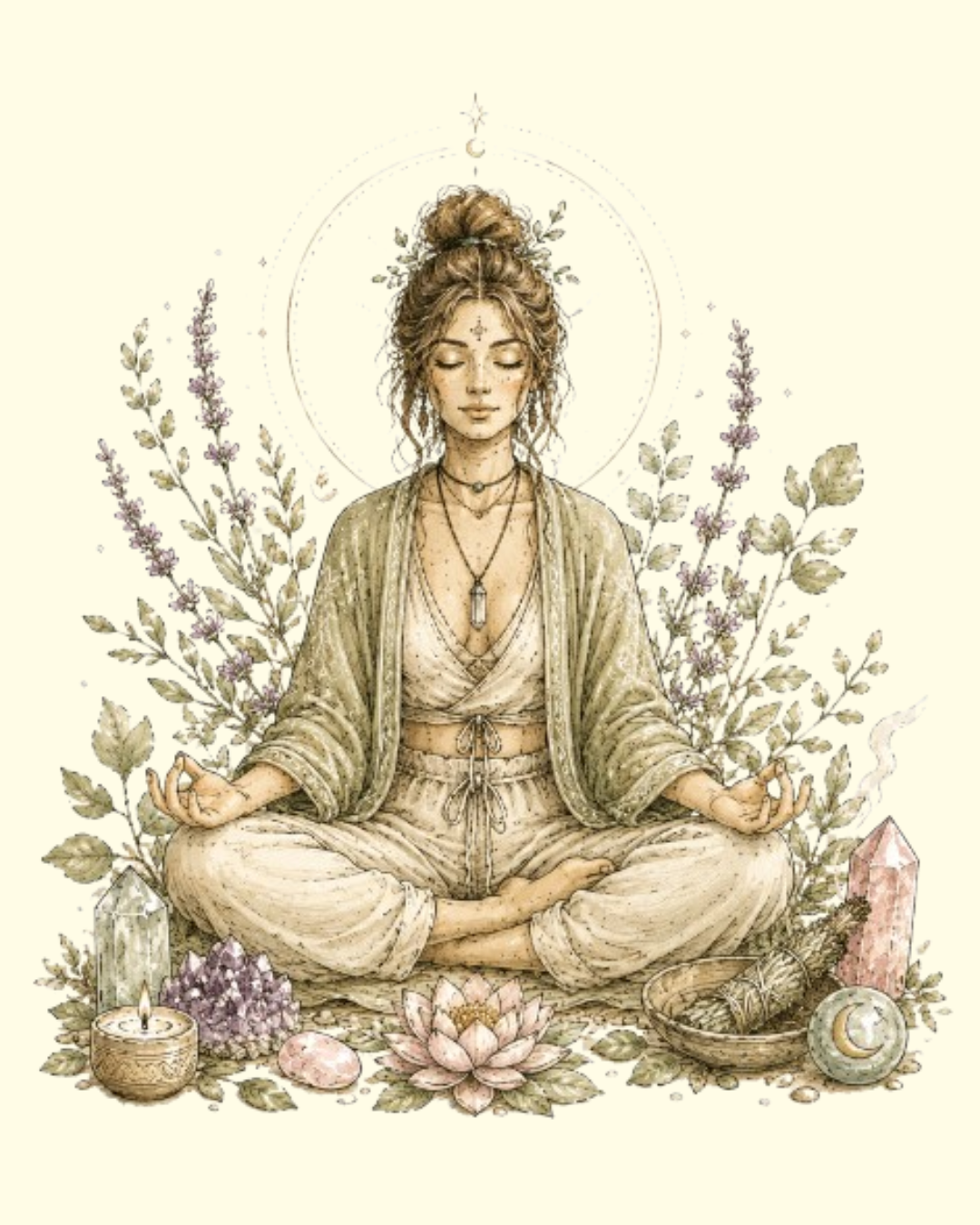
Meditation has been practiced for thousands of years across different cultures and spiritual traditions. Today, it is recognized not only as a spiritual tool but
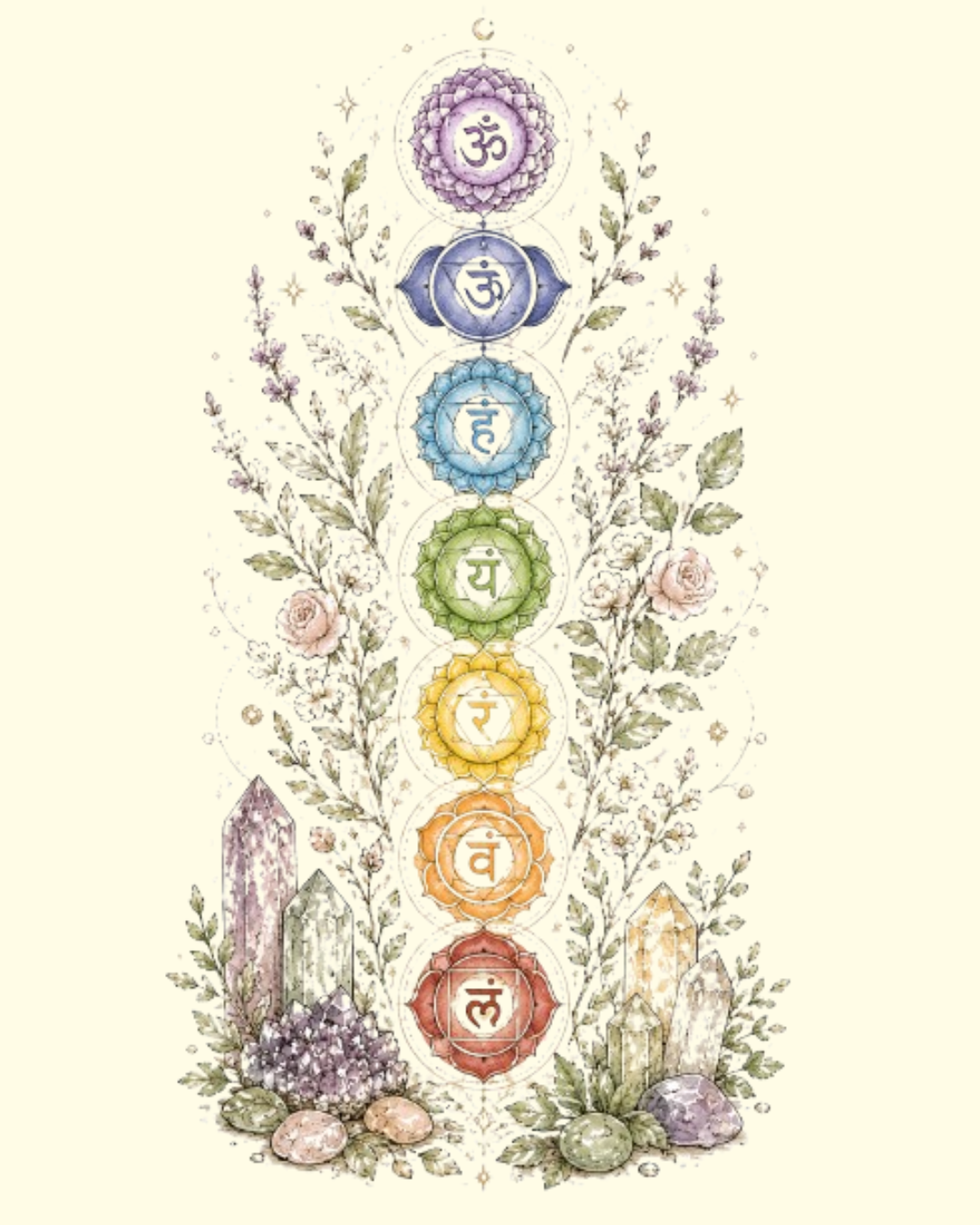
Chakras (Quick Summary) Chakras are energy centers within the body associated with physical, emotional, mental, and spiritual well-being. The chakra system originates from ancient Indian
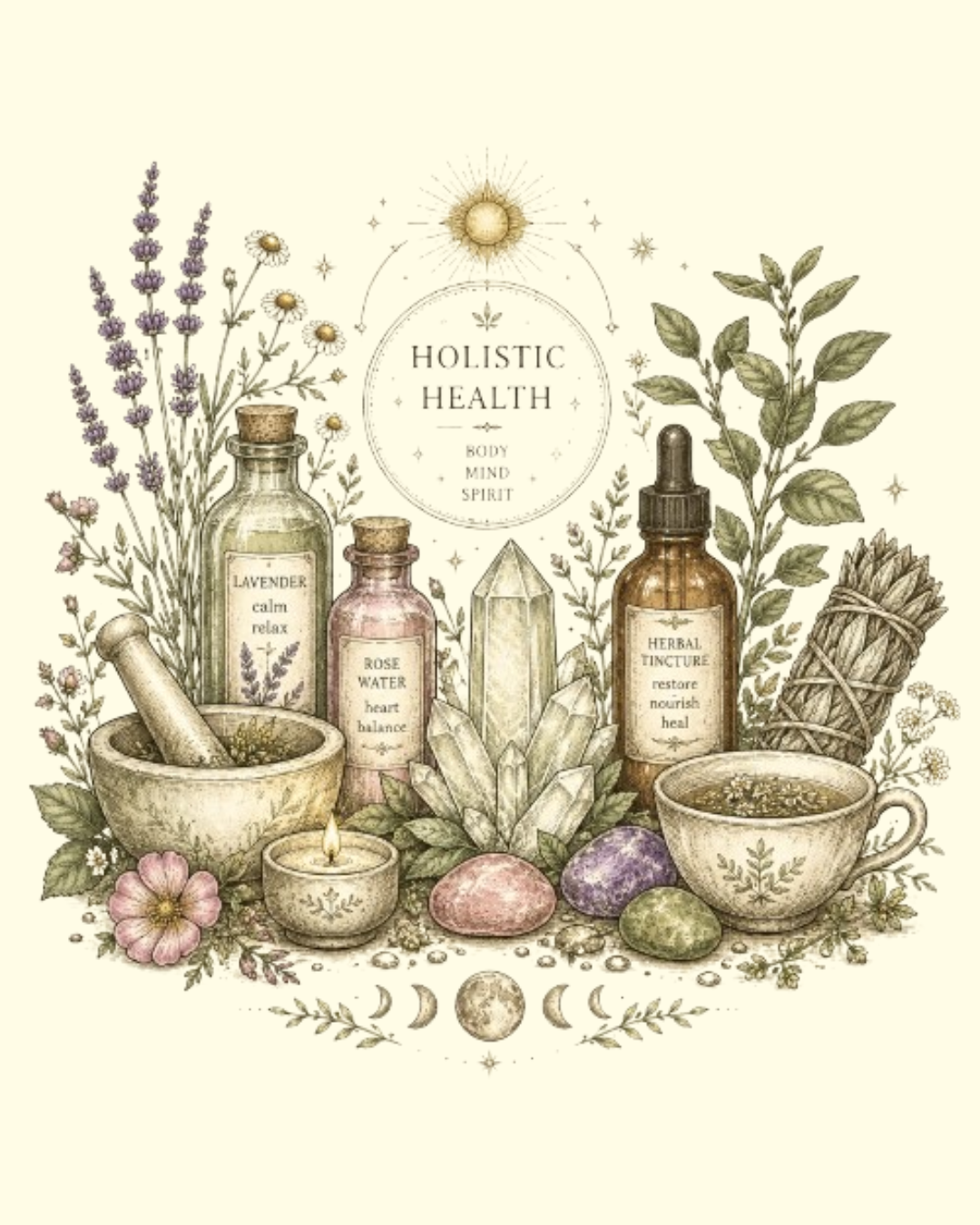
Holistic Health (Quick Summary) Holistic health is an approach to wellness that focuses on the whole person—mind, body, and spirit—rather than just treating symptoms. It

Cancer treatments such as chemotherapy, radiation therapy, and infusion therapies can bring a range of challenging side effects. Many patients undergoing treatment experience nausea, anxiety,

Dermatitis is a common inflammatory skin condition that affects millions of people worldwide. It can cause redness, itching, dryness, irritation, and inflammation, often making the